
The Legacy of Steinway: A Journey Through Time
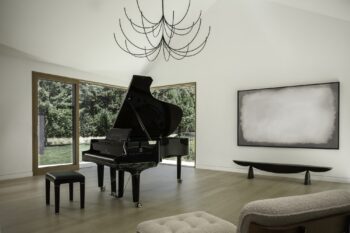
Steinway & Sons has been a piano industry leader since 1853, renowned for its superior craftsmanship, innovative designs, and timeless commitment to excellence. Whether on the grand concert stage or in a private music studio, Steinway pianos are celebrated worldwide for their unmatched sound quality and craftsmanship. This blog explores the history of Steinway pianos, tracing their remarkable journey from humble beginnings to becoming a symbol of musical artistry.
The Early Days of Steinway
The legacy of Steinway & Sons began in 1836, when Henry Steinway (formerly Heinrich Engelhard Steinweg) built his first piano in his kitchen in Seesen, Germany. After immigrating to New York City in 1850, Henry founded Steinway & Sons in 1853, where he, along with his sons, created a new standard for piano manufacturing. Early innovations, such as the overstrung scale and the modern grand piano, made Steinway a pioneer in the piano industry.
The meticulous attention to detail and use of high-quality materials allowed Steinway grand pianos to produce superior sound, capturing the attention of musicians and composers worldwide. As the company grew, Steinway’s focus on creating the finest pianos became its defining characteristic.
Steinway’s Piano Innovations
One of the reasons Steinway has become synonymous with quality is its constant piano innovation. With over 125 patents, the company has transformed the art of piano-making. Some of Steinway’s most famous innovations include:
- The duplex scale, which enhances the richness of the tone by allowing the non-speaking parts of the strings to vibrate.
- The diaphragmatic soundboard is designed to improve the dynamic range and power of the piano’s sound.
- The accelerated action mechanism, which provides faster and more responsive key movements for the pianist.
These innovations are still used in modern piano manufacturing, ensuring that Steinway continues to set the standard for excellence.
The Artists’ Choice: Why Musicians Choose Steinway
Steinway is known as the “piano of choice” for professional musicians. More than 97% of the world’s concert pianists, including legends like Sergei Rachmaninoff, Vladimir Horowitz, and Arthur Rubinstein, choose Steinway pianos for their performances. This has helped Steinway solidify its reputation as the top brand in the world of pianos.
The legacy of Steinway also extends beyond classical music. Composers such as George Gershwin and Igor Stravinsky created some of their most famous pieces on Steinway pianos. Whether in jazz, classical, or pop music, the Steinway piano remains an essential instrument for artists seeking the best sound.


Steinway’s Global Presence: New York and Hamburg
Steinway’s reach expanded globally with the opening of its Hamburg factory in 1880. Today, both the New York and Hamburg factories are known for producing high-quality grand pianos and upright pianos that embody the brand's commitment to craftsmanship.
Some enthusiasts debate which factory—New York or Hamburg—produces the superior instrument, but both are recognized for their extraordinary quality. The Steinway name is synonymous with luxury, precision, and piano excellence, no matter where the instrument is made.
Steinway’s Commitment to Handcraftsmanship
Despite technological advances, Steinway remains dedicated to the traditions of handcrafting pianos. Each Steinway piano is made with over 12,000 individual parts and requires nearly a year to complete, ensuring that every instrument is unique. This attention to detail is why Steinway pianos are not only musical instruments but also works of art.
The introduction of the Steinway Spirio, a self-playing piano with high-resolution performance reproduction, reflects the company’s willingness to embrace new technologies while maintaining its legacy of handcraftsmanship.
The legacy of Steinway & Sons is one of unmatched craftsmanship, constant innovation, and enduring excellence in piano making. From its pioneering patents to its status as the preferred instrument for concert pianists and composers, Steinway continues to be a leader in the world of music, for anyone seeking the pinnacle of piano performance and quality, a Steinway piano remains the ultimate choice—a symbol of timeless artistry that will inspire generations to come.
Whether you're a professional pianist, a music enthusiast, or someone in search of the best piano for your home, Steinway pianos offer a journey through the history of music itself, where tradition and innovation unite in perfect harmony. View our incredible selection of Steinway pianos today at Tom Lee Music.