
How to Pick Your First Acoustic Guitar

 So you’ve decided to learn to play the acoustic guitar. Or, perhaps you played in the past and are now returning to it – either way you have a huge selection of guitars to choose from. It can be confusing and a little daunting, but with the following tips you will be able to select the perfect acoustic guitar to get started on.
Size
The size of guitar you pick is very important. Since the guitar is an instrument you hold – maybe hug is a better word – it becomes an extension of you. The perfect physical fit will make your experience much more enjoyable. Acoustic guitars commonly come in smaller sizes, all the way up to full size guitars. A lot of time size considerations only consider the sound difference of different body sizes, but getting the size right makes it easier and more fun to play. Also, smaller guitars are more portable, which may be a consideration if you want to take your guitar with you. Acoustic guitars commonly come in fractional sizes like ½ size and ¾ size. All this means is the guitars are smaller relative to a full size guitar. In addition, many companies make travel size guitars and ‘mini’ size guitars, which don’t conform to the fractional size conventions but nonetheless are smaller guitars. In the past, smaller guitars were of cheaper quality designed for beginners. However, in recent years many smaller guitars have been of excellent quality and are popular with players of all ages and skill levels. Half and ¾ guitars are often targeted at younger players, but there is not reason not to pick one if they feel right to you. Guitars described as ‘travel’ size are often close to ½ size guitars, but can often be of better quality from top brands like Taylor and Martin. Guitars called ‘mini’ guitars are often in the ¾ size range, and have become popular as they are super fun to play and sound great. The best way to choose? Pick one up and see how they feel. If the smaller sizes just feel right to you, then it might be the best choice. The ‘dreadnought’ size is considered the standard full size acoustic guitar. They are known for their loud volume and deep sound. But larger guitars were designed in the old days, where performers needed a loud guitar, as amplification did not exist. Most people starting out will be playing for themselves or with friends, and you don’t need maximum volume. Having said that, if you are adult player then the physical size won’t be a problem for you, and you might appreciate the bigger sound (and the more choices available in this size). Guitars that are full size, but slightly smaller, are also available and offer the best of both worlds. These have many different names. Ones to look out for are: folk size, 000, 00, parlour, auditorium, concert. There are different sizes but they are all full size guitars that are a bit smaller. They are easier to play and more comfortable for many people, but also have a large sound you would expect from a full size guitar. Conclusion on Size: even if you don’t play yet, pick up the guitar and hold it as if you are playing it. Try different size to see what feels right to you.Action
‘Action’ refers to the height of the strings above the fretboard. Lower action will be easier to play, which will make your learning experience that much more enjoyable. Any guitar can be set up to play well, but at the lower price points this will add cost as this is one of the reasons inexpensive guitars cost less. This is one areas where spending a little more money will get you a better guitar and is well worth it. Look for brands like Yamaha, which are known for their excellent playability right out of the box. If you opt for a premium brand like Taylor, you are assured of a great playing guitar every time.Woods
Different woods are used to make guitars, and all have slightly different characteristics. But if you are just starting out, it won’t make that much of a difference. Having the correct size guitar that plays well is much more important. Having said that here is a very brief summary of the common woods available: Top Woods: Spruce is the most common top wood for acoustic guitars. It’s the standard and looks and sounds exactly like what you would expect a guitar to be. Cedar is also used, and tends to look a little darker in colour. It has a slightly more mellow tone than spruce. Cedar is a little softer than spruce, so it can mark up a bit easier, but that’s just cosmetic. Finally, mahogany is sometimes used for tops as well. It’s noted for its darker appearance, and generally imparts a very warm, balanced sound. Many people don’t like its unusual dark appearance compared to spruce, as it’s not the typical acoustic guitar appearance they are used to. Others love the natural, vintage look – the choice is yours, and all make for excellent sounding guitars. Back and Sides: The wood used to make the back and sides also impact the overall sound of the guitar. In general, rosewood will be deeper and more punchy sounding, while mahogany tends to be more balanced with a sound more in the middle. These are the most common woods used for the backs and sides, and sometimes you will see woods in the general family of these but with different names. All will make for a fine guitar.Solid vs. Laminate
Most guitars these days use solid wood tops – they are known for a better sound from the start, and will age and improve over time if played a lot. But the reality is you have to play it a LOT for it to really make a difference. But if you come across a laminate top guitar that you like, or is in your price range, its fine. Size and action are much more important considerations at this point. More expensive guitars will also have solid backs and sides. Again, the sound will generally be better and will improve over time, but the difference can be quite subtle and isn’t necessary for a really good guitar to have.Brand
Sometime there will be a brand of guitar you like. Maybe your favourite musician plays one, or the name is just appealing to you. This is a totally fine way to select a guitar. Remember, the goal is to get you playing. If you love a certain brand of guitar for whatever reason, go for it! If you love your guitar you will want to learn how to play it and you will play it more!Aesthetics
As with brand, sometimes someone will want a red guitar, or likes the look of a certain type of wood, or a particular body shape. Again, the goal is to get you playing, and if the way a certain guitar looks makes you want to play it, then that is helping you towards the goal. https://docs.google.com/document/d/1kXmtkXJ1aVNqVEK2_32NRXoafiCNWwwwFJgGsdpziXg/edit?usp=sharing Click the link below to see some of our top choices for your first acoustic guitar!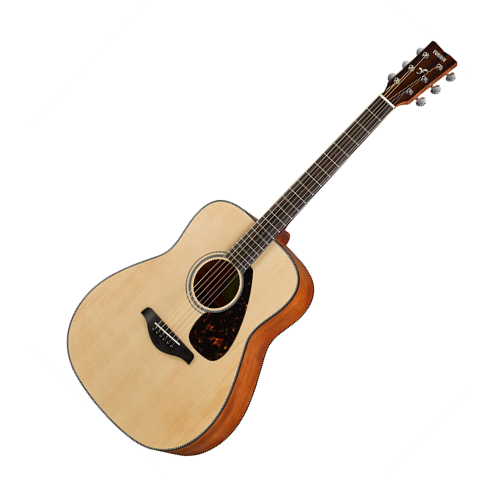
YAMAHA FG800M
CA$259.99
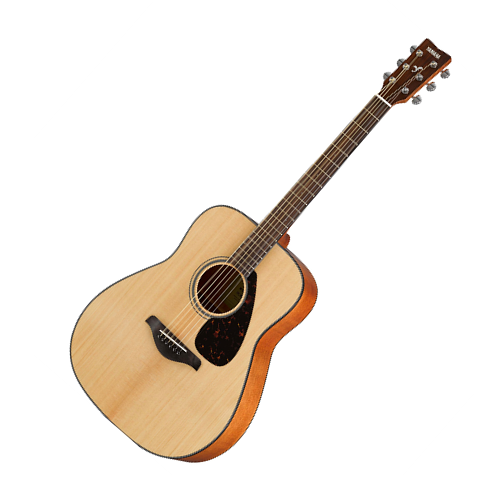
YAMAHA FG800
CA$279.99
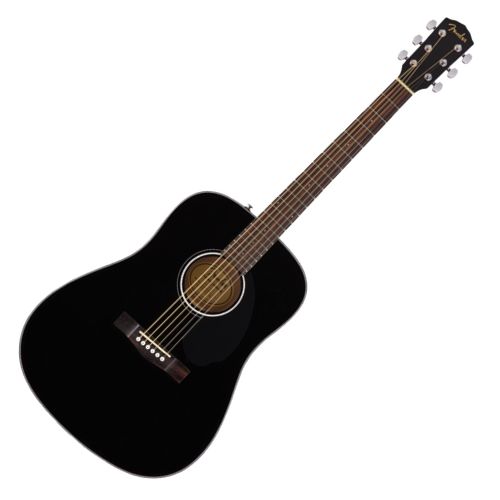
FENDER CD-60 V3 Black
CA$279.99
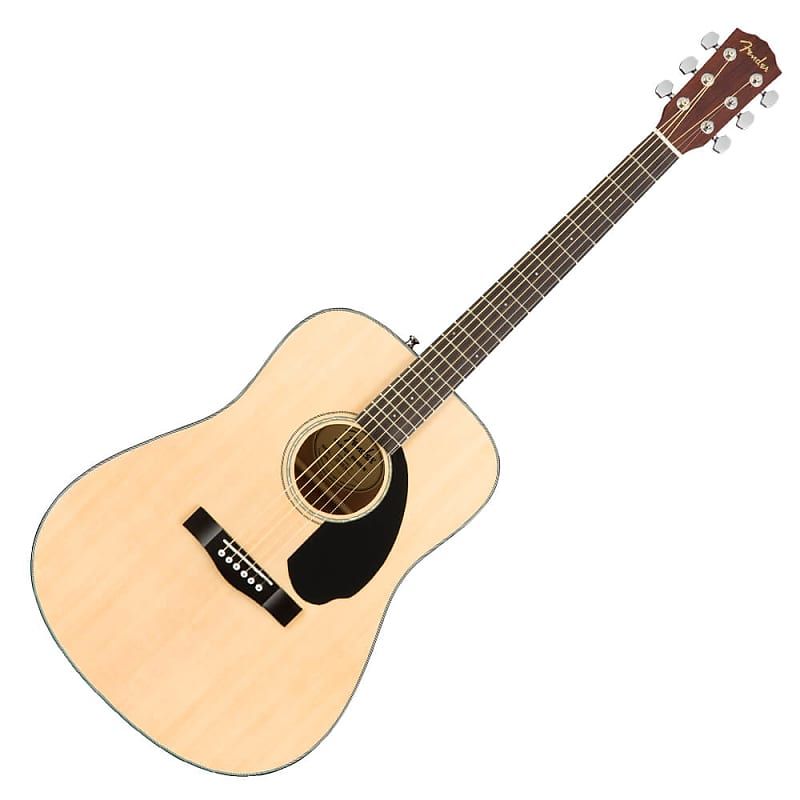
FENDER CD-60 V3 Natural
CA$279.99
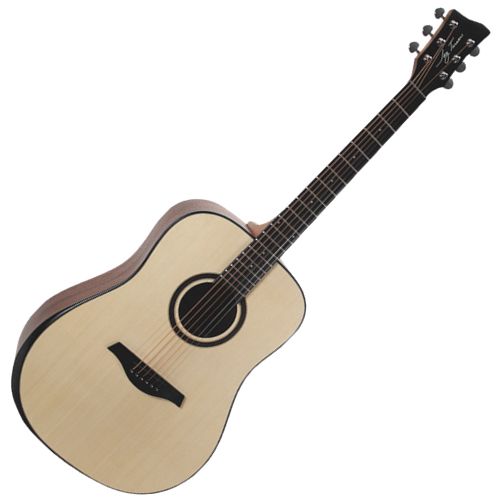
JAY TURSER JTA54B-OPN
CA$199.00
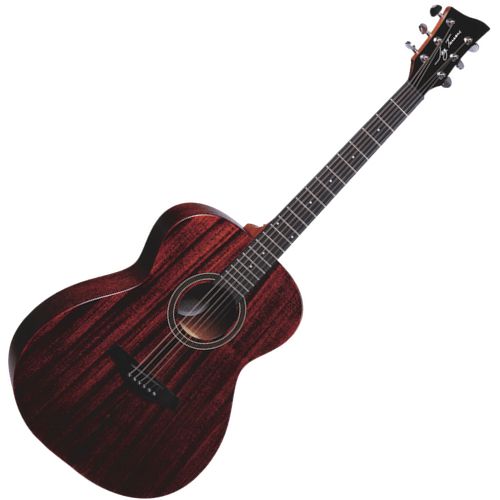
JAY TURSER JTA54F-MAG
CA$199.00
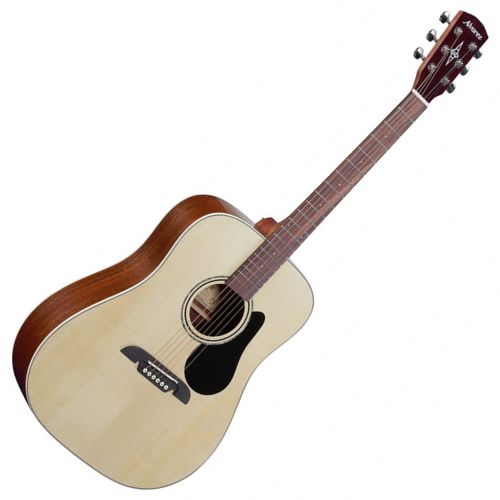
ALVAREZ RD26
CA$299.00
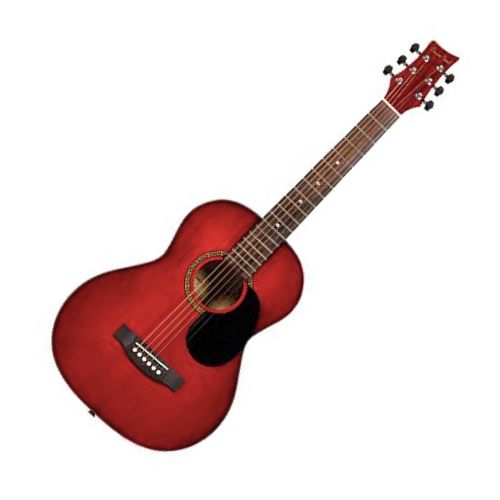
BEAVER CREEK 3/4 Red
CA$159.99
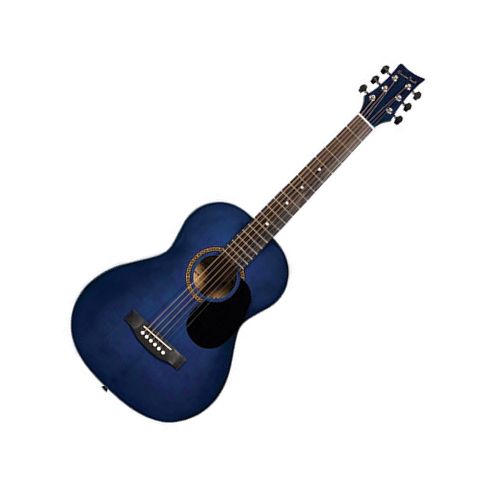
BEAVER CREEK 1/2 Blue
CA$149.99
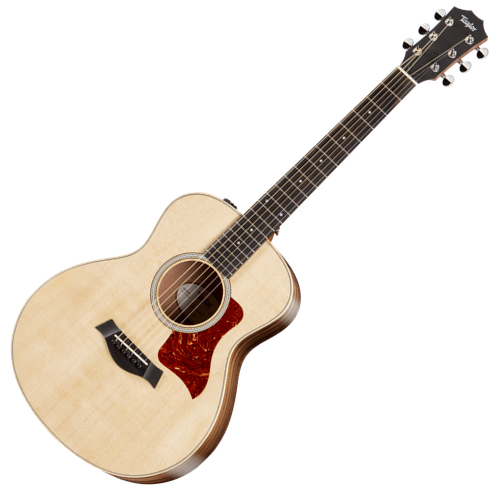
TAYLOR GS Mini-E
CA$969.00
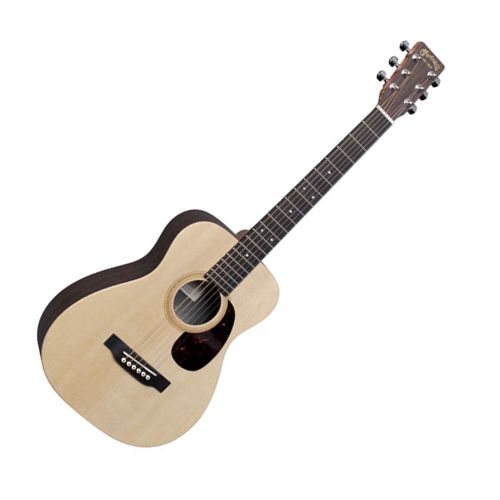
MARTIN LX1RE
CA$679.00
Article by Brendan Jang