
Essential Guitar Maintenance: Habits to Keep Your Guitar in Top Shape

Even though your guitar may sit quietly until you pick it up, it's still affected by its environment. Over time, changes in temperature, humidity, and regular use can subtly impact its sound, appearance, and playability. While these changes may go unnoticed in the short term, they can make a big difference over time.
In this guide, we'll cover some simple maintenance routines to keep your guitar sounding and looking great. Staying on top of these tasks will not only extend the life of your guitar but also deepen your connection with it, allowing you to play at your best.

General Maintenance Tips
- Avoid Direct Sunlight and Heat: Exposure to sunlight can fade your guitar's finish, and heat can soften glue joints and dry out the wood, leading to cracks. Try to keep your guitar in a stable environment with temperatures between 66–77°F (19–25°C) and humidity levels around 40–50%. Extreme conditions can harm wooden instruments, so it’s important to monitor this, especially if you live in a place with fluctuating climates.
- Use Proper Stands or Wall Mounts: Always store your guitar on a proper stand or wall bracket with neck support. Leaning it against a wall or furniture can lead to damage. Plus, having it on display encourages you to play more often!
- Maintain Tuning: Keep your guitar in tune at concert pitch (A440Hz) to ensure the correct tension on the strings, neck, and bridge. Improper tuning can strain these parts over time.
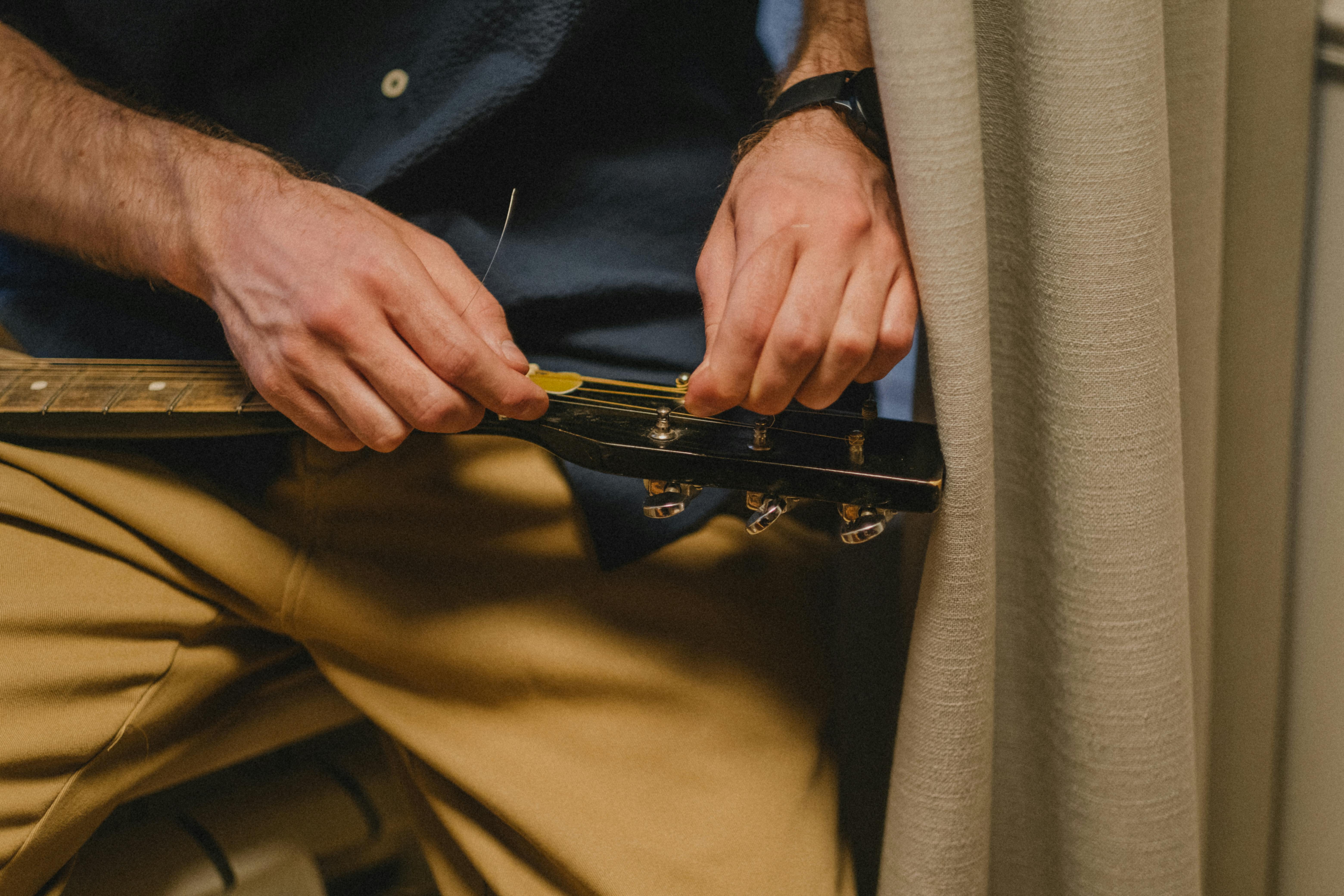
- Replace Strings Regularly: Change broken or rusty strings as soon as possible. When changing strings, clip the excess at the tuning pegs. Use string cleaner before and after playing to remove oils and sweat, which helps extend string life and improve playability.
- Polish Your Guitar: Wipe your guitar regularly with a lint-free cloth and apply a small amount of polish to keep it clean. A well-maintained guitar is not only more enjoyable to play but looks great too!
- Re-string Periodically: Depending on how much you play, re-string your guitar with new coated strings for durability. Each player is different—factors like string type, hand strength, and how much you sweat can determine how often you need to change strings.
Quarterly Maintenance
- Humidity Control: Use a humidipak, such as D’Addario’s products, inside your guitar case or the sound hole of your acoustic guitar to regulate moisture. This can prevent cracks from dryness or warping from excess humidity.
- Check for Cracks or Swelling: Inspect your guitar’s body for any signs of damage caused by humidity, such as cracking or swelling. These issues can affect both appearance and sound quality.
- Tune and Check Intonation: Even if you haven’t been playing regularly, make sure your guitars are in tune and check their intonation. Minor adjustments can keep your guitar sounding its best, especially when playing at higher frets.
Semi-Annual / Annual Maintenance
- Condition the Fretboard: Apply a fretboard conditioner or lemon oil to nourish unfinished rosewood or ebony fretboards. This step helps maintain smooth playability and protects the wood.
- Monitor String Slots: If strings are catching in the nut or bridge, have a luthier inspect and recut the slots as necessary. Proper string movement helps maintain tuning stability and ensures smooth play.
- Adjust the Truss Rod: If your guitar’s neck relief has shifted, you may need to adjust the truss rod. Proceed with caution, making small quarter-turn adjustments. If you're unsure, it’s best to have a professional take care of this.
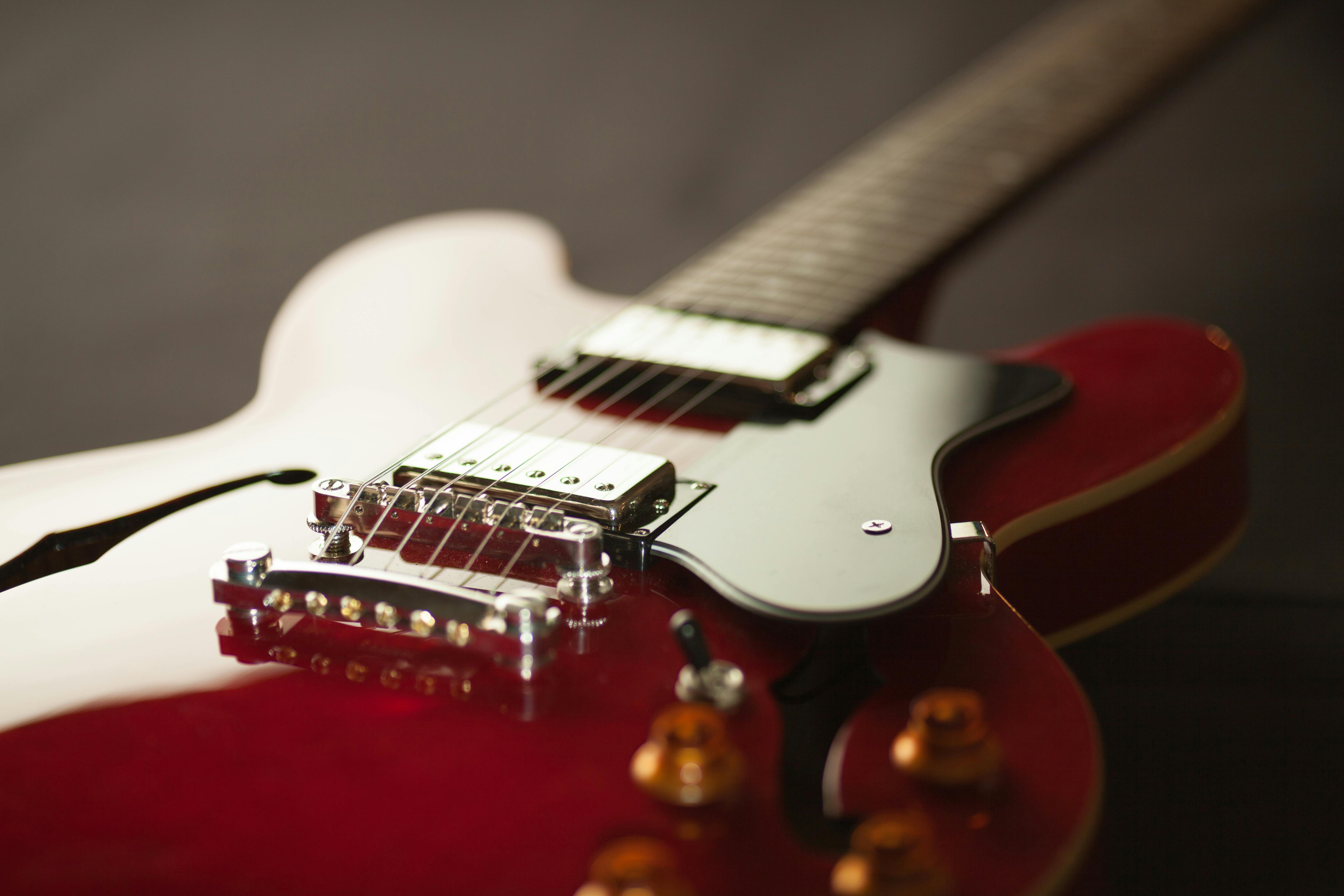
Routine guitar maintenance not only preserves your instrument’s sound and playability but also protects your investment. Whether you're a seasoned player or just starting out, taking the time to care for your guitar will ensure it remains in top condition for years to come.
Our service department at Tom Lee Music can help you with maintenance and set-up as well! Learn more here and happy playing!