Percussion
The percussion family has far and away the most members of any of the three families of instruments in Band. That is because it is made up of any instrument where the sound is produced by something being hit...
It is helpful to divide all of these instruments into smaller categories to take a closer look!
Pitched Percussion
These instruments produce a definite and recognizable pitch or note which the player uses to play tunes and melodies. The most common sub-categories are timpani and mallet or keyboard percussion.
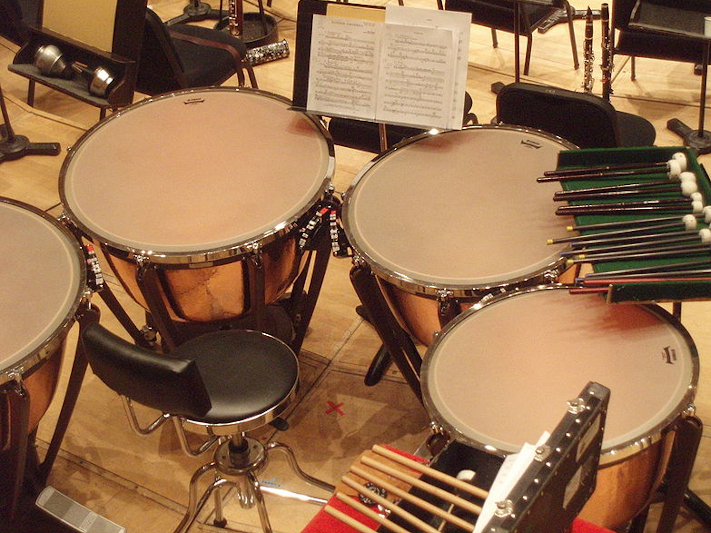
Timpani
These are drums where the head (striking surface) is stretched over a metal or fibreglass “kettle” or bowl. The head is stretched tighter or looser to change the pitch; usually done with a foot pedal.
Typically found in sets of 2 or 4.
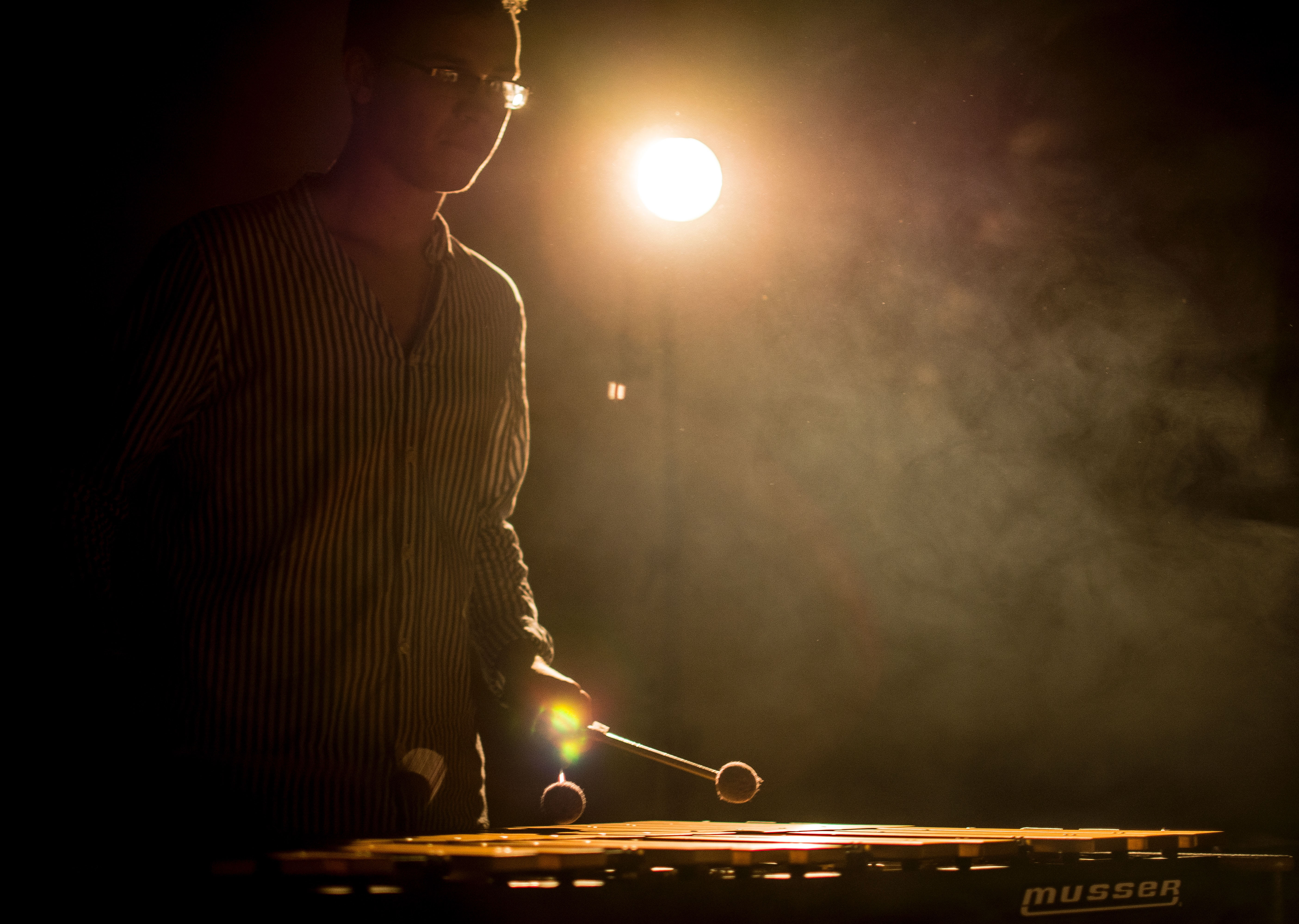
Keyboard Percussion
Each instrument has a collection of tuned bars or plates made of different materials arranged like the keys on a piano and played with mallets.

Bells (aka glockenspiel)
- has metal bars
- played with very hard mallets
- pure, crystal sound
- very high notes
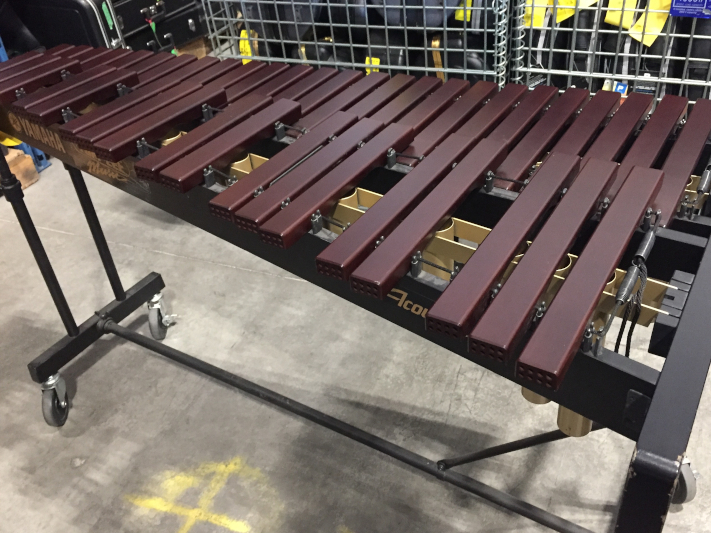
Xylophone
- wooden (rosewood) or synthetic bars
- short sustain; doesn't ring long
- played with hard plastic, rubber or yarn mallets

Marimba
- wooden (rosewood) or synthetic bars; medium sustain
- rich, warm sound; plays lower notes than the others
- played with med-soft yarn mallets
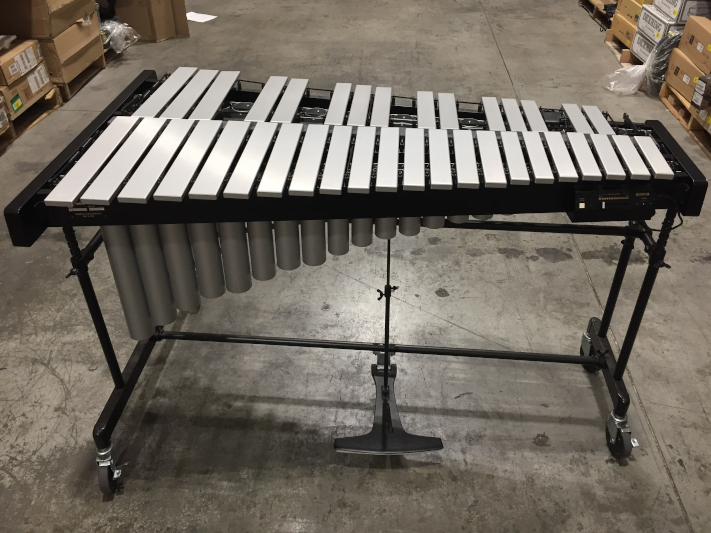
Vibraphone
- metal bars; long sustain
- has damper pedal to stop bars from ringing
- built in motor to add vibrato
- played with medium cord mallets
Un-pitched Percussion
These are the ones that go boom, whack, crash, ting, thump, whoosh, zing, crack, tick, bang, zoom, swish, tap, zap, slap, whap, and every other sound effect you can think of!
They generally do NOT produce an identifiable pitch but rather act as sound effects, colour and a rhythmic driving force to get and keep the whole ensemble in line.
The most common of these are snare drum, bass drum, tom-toms, tambourine, cymbals and triangle.
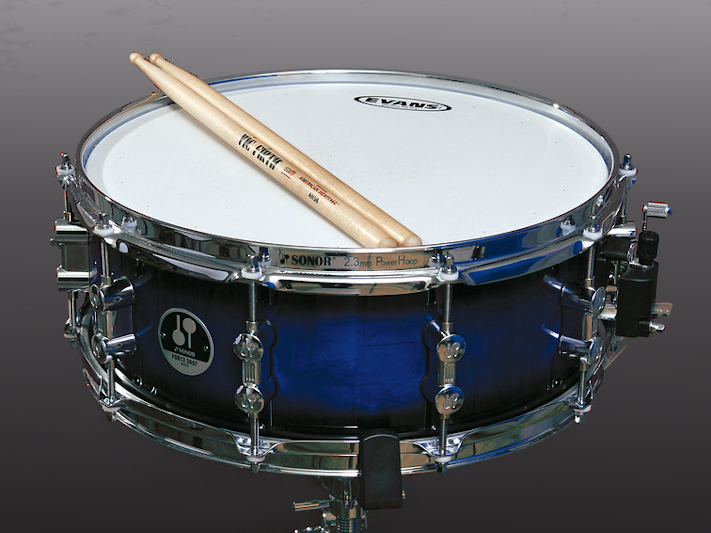
Snare
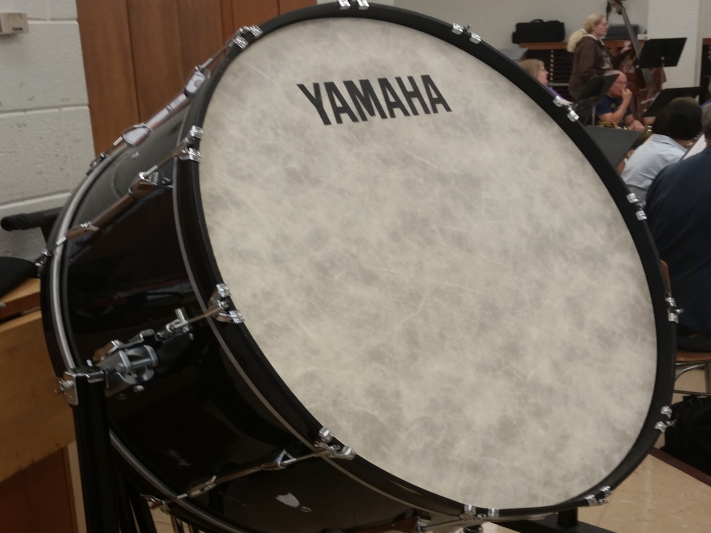
Bass
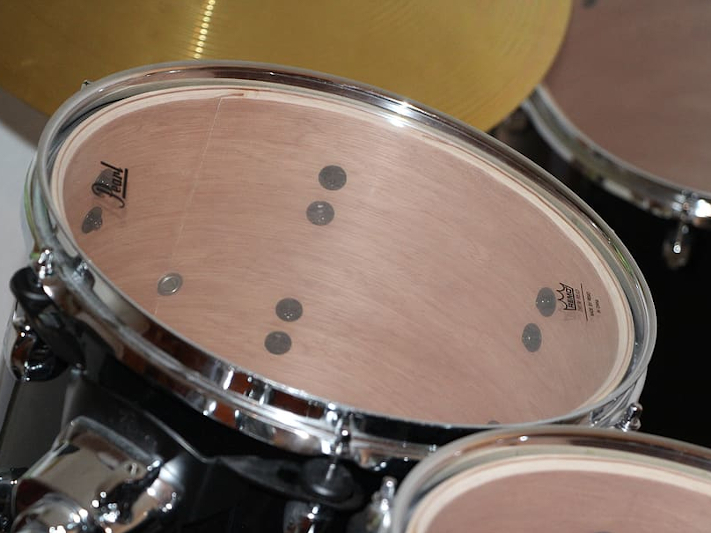
Toms
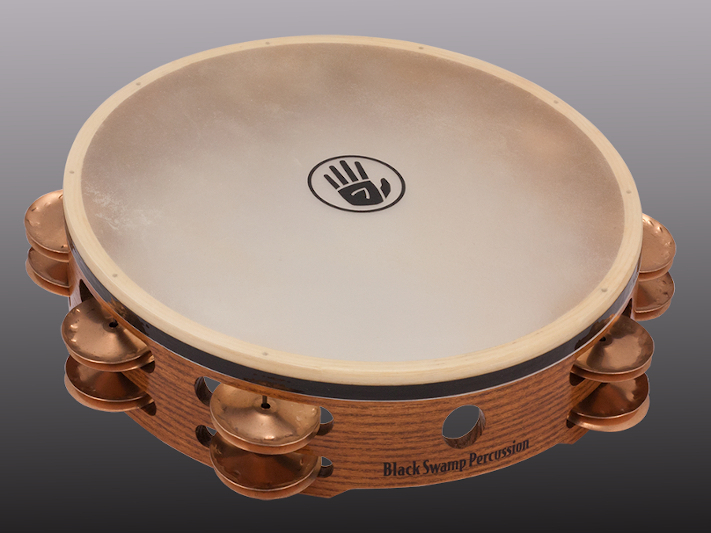
Tambourine
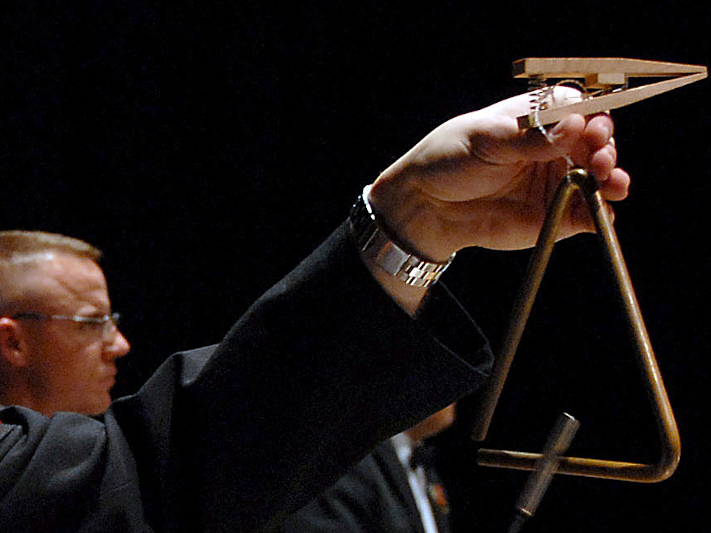
Triangle
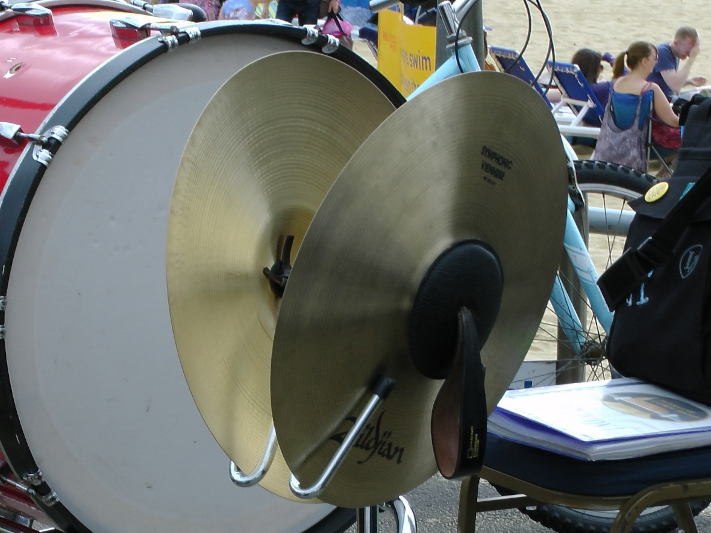
Crash Cymbals
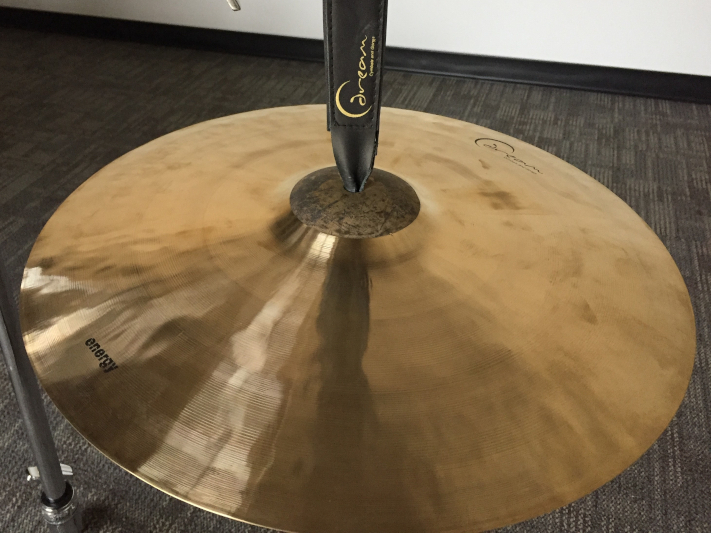
Suspended Cymbals
Every manner of percussion instrument is used in Band, and it is very important that the player is capable of playing them all – maybe not today, but the percussionist must always become a true “Jack of all trades”. Though for beginners, snare drum and bells is a great place to start.